Government & Politics
Newstrix
|July 16, 2026
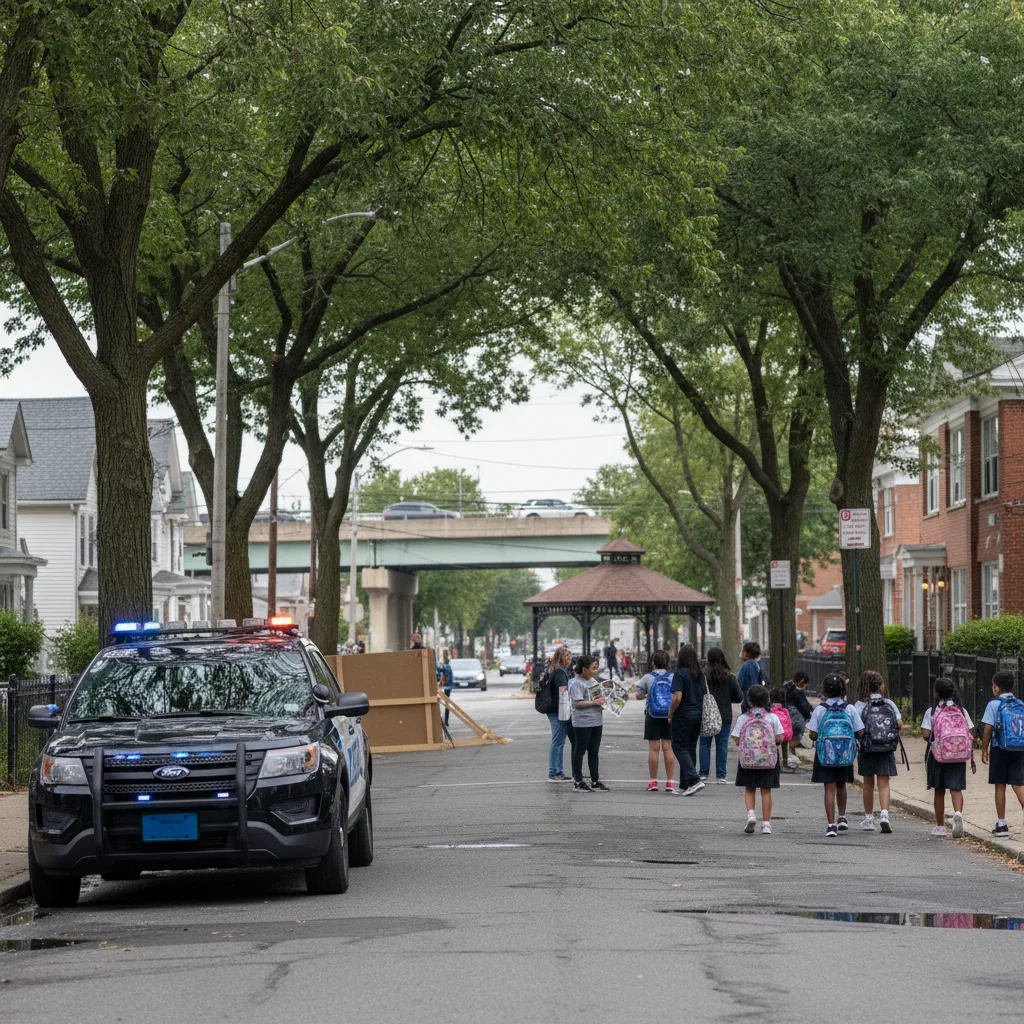
Howard Beach Racial Attack: 1986 Michael Griffith Case Remembered 2026
By Newstrix, Local Politics Reporter | June 10, 2026 | Government & Politics
NEW YORK — More than four decades have passed since the December 20, 1986, Howard Beach racial attack that resulted in the death of Michael Griffith, a 23-year-old Black man in Queens, New York City. The incident remains a poignant historical marker, prompting ongoing discussions about race, justice, and community relations in 2026.
The Tragic Events of December 1986 Recalled
On that fateful night, Michael Griffith and two friends, Cedric Sandiford and Timothy Grimes, were stranded in Howard Beach after their car broke down. They sought help at a local pizzeria, where they were reportedly confronted by a group of white teenagers. The confrontation escalated into a violent attack, with the three men being chased onto the Belt Parkway. Griffith was struck by a car and killed while attempting to escape his pursuers.
The incident immediately garnered national attention, exposing deep-seated racial tensions within New York City. The subsequent investigation and trials became a focal point for civil rights activists and community leaders. The tragic events underscored a period of intense social and political strife, shaping the perception of Howard Beach for decades to come.
Legal Proceedings and Convictions in the Landmark Case
"The convictions in the Griffith case were a testament to the perseverance of civil rights advocates and prosecutors, but they couldn't erase the stain on our city's history," said Dr. Evelyn Reed, a Queens historian, on Monday. "It served as a stark reminder of the prejudice that still existed, even in a supposedly progressive city." Three local teenagers, Jon Lester, Scott Kern, and Jason Ladone, were ultimately convicted of manslaughter for their roles in Griffith's death.
The trials were highly publicized, drawing criticism for delays and perceived leniency. Special Prosecutor Charles Hynes led the effort to secure convictions, facing significant challenges amid a climate of racial polarization. The legal outcomes, while bringing some measure of justice, left many with lingering questions about systemic issues.
Howard Beach: A Community's Ongoing Reflection in 2026
In 2026, the Howard Beach community continues its complex relationship with this historical event. While significant demographic shifts have occurred, the memory of the racial attack periodically resurfaces in local dialogues, particularly during anniversaries or discussions about diversity. The incident serves as a crucial historical reference point for understanding social progress and remaining challenges in the Queens borough.
Local schools and community organizations periodically host educational programs that address the history of race relations in New York City, often referencing the Howard Beach attack. These initiatives aim to foster understanding and prevent future acts of hate. The ongoing dialogue demonstrates a community grappling with its past while striving for a more inclusive future, a narrative also relevant to Trump-Putin Helsinki Summit Sparks Howard Beach Community Debate in another context.
Civil Rights Legacy and Persistent Challenges
The Michael Griffith case had a profound impact on the civil rights movement in New York and beyond. It fueled calls for police reform, stronger hate crime legislation, and increased awareness of racial injustice. Leaders like Al Sharpton rose to national prominence through their activism surrounding the case.
Despite progress, challenges related to race and inequality persist in various forms across the country. The remembrance of the Howard Beach attack serves as a yearly reminder that vigilance against prejudice and discrimination remains necessary. Activists continue to highlight the importance of addressing systemic issues that contribute to racial disparities.
Educational Initiatives and Community Healing Efforts
Various local institutions, including libraries and community centers, have developed programs designed to educate new generations about the Howard Beach racial attack. These initiatives often include discussions, documentaries, and testimonials from those affected. The goal is to ensure that the lessons learned from the tragedy are not forgotten.
Efforts towards community healing and reconciliation are also ongoing, albeit slowly. These efforts involve fostering dialogue between different ethnic and racial groups within Howard Beach and the broader Queens area. The aspiration is to build bridges of understanding and work towards a more harmonious coexistence for all residents.
Frequently Asked Questions
Why is the 1986 Howard Beach racial attack still significant in 2026? The 1986 Howard Beach racial attack remains significant in 2026 as a crucial historical marker for understanding race relations, justice, and community dynamics in New York City. It continues to spark discussions on civil rights and serves as a reminder of the need for ongoing vigilance against prejudice in Queens.
What impact did the Michael Griffith case have on civil rights movements? The Michael Griffith case profoundly impacted civil rights movements by galvanizing calls for police reform, stricter hate crime legislation, and increased public awareness of racial injustice. It highlighted systemic issues and contributed to the rise of prominent civil rights leaders, leaving a lasting legacy on activism.
TOP 7 STORIES

Public Safety & Crime
Howard Beach Joggers Seek Personal Protection After Local Murder
Newstrix
|July 15, 2026
Howard Beach Joggers Seek Personal Protection After Local Murder By aiauthorhowardbeachNews | March 12, 2026 | Public Safety & Crime NEW YORK — Howard Beach women experienced a significant surge in demand for personal protection services this week following the brutal murder of a local jogger, leading many to contact a Texasbased security company. The incident has cast a somber mood over the typically active jogging trails and parks, prompting residents to seek measures beyond standard community policing, as reported by ABC7NY. Community Concerns Rise Following Jogger's Murder The recent murder of a jogger in Howard Beach has profoundly shaken the community, particularly among women who regularly use local parks and trails for exercise. The specific details of the jogger's death have not been fully released by authorities, but the gravity of the incident has created palpable anxiety. This sense of unease extends beyond the immediate vicinity of the crime, affecting routines and perceptions of safety across Howard Beach. The fear has prompted many to reevaluate their personal safety strategies. Local jogging groups and fitness enthusiasts are now discussing heightened vigilance and safety protocols. One such group, the Howard Beach Runners Club, announced a temporary suspension of early morning group runs until further notice, citing safety concerns raised by its members. This immediate reaction underscores the direct impact of the crime on daily life within the Howard Beach community, disrupting routines that many have maintained for years. The fear factor has become a dominant topic of conversation among residents. Demand for Personal Security Services Surges Following the news of the jogger's murder, a Texasbased company specializing in personal safety devices and selfdefense training reported a dramatic increase in inquiries and orders from Howard Beach residents. According to an ABC7NY investigation, sales of discreet personal alarms, pepper spray, and small, nonlethal deterrents have seen a sharp uptick. This response indicates a proactive, albeit concerning, shift in how some residents are choosing to address their safety concerns in the wake of the incident. This surge highlights a direct, tangible consequence of the crime. A representative from the security firm, Sarah Jenkins, noted, "We’ve seen a fivefold increase in orders from the Howard Beach area in the last 72 hours alone. People are feeling vulnerable and are looking for ways to feel safer when they're out alone, especially during their runs." Jenkins explained that many callers were specifically inquiring about devices that could be carried discreetly and were easy to operate under duress. This demonstrates a clear move by residents to empower themselves in the face of perceived threats. Impact on Local Howard Beach Parks and Recreation The fear generated by the jogger's murder has visibly impacted the usage of local Howard Beach parks, including Howard Park and others along the shoreline. Typically bustling with activity in the early mornings and evenings, these areas have seen a noticeable decrease in foot traffic, particularly from solo female joggers. This decline is not merely anecdotal; park maintenance staff have observed fewer visitors during peak hours, and local fitness studios have reported increased attendance in indoor classes as an alternative to outdoor exercise. This direct shift reflects the community's altered relationship with its public spaces. The Howard Beach Parks Department has acknowledged the community's concerns and is consulting with local law enforcement on potential measures to increase safety perceptions. Discussions include the possibility of increased lighting along popular paths and more frequent park ranger patrols. However, residents are seeking more immediate solutions, leading to the demand for personal protection. The incident emphasizes the delicate balance between accessible public spaces and perceived personal security, and how quickly that balance can be disrupted. LongTerm Safety Discussions in Howard Beach The tragic event has initiated broader conversations within Howard Beach about longterm public safety strategies and the role of both personal responsibility and law enforcement. Community meetings are being organized by local civic associations, often featuring representatives from the NYPD's 106th Precinct to address resident concerns directly. These meetings serve as crucial forums for residents to voice their anxieties, share ideas, and collaboratively seek solutions for enhancing neighborhood security. Similar discussions arose after the , underscoring recurring safety anxieties in the area. Beyond immediate responses, some residents are advocating for more comprehensive selfdefense education programs to be offered locally. The idea is to equip individuals with practical skills and knowledge to react in dangerous situations, rather than relying solely on deterrents. This proactive approach aims to build a more resilient and prepared community. The debate over personal safety versus communitywide measures is a complex one, but the current climate in Howard Beach ensures these discussions will remain at the forefront. Residents are actively searching for ways to enhance . Frequently Asked Questions What resources are available for Howard Beach residents interested in selfdefense training? Several local martial arts studios and community centers in Queens offer selfdefense classes tailored for various age groups and skill levels. Additionally, organizations such as the National SelfDefense Institute provide online resources and can connect individuals with certified instructors in the New York area. It is advisable to research instructors and programs thoroughly to ensure they meet personal safety needs and adhere to effective techniques. How can residents report suspicious activity in Howard Beach parks? Residents should contact 911 immediately for any imminent threats or suspicious activity observed in local parks. For nonurgent concerns or to provide information related to past incidents, the NYPD's 106th Precinct can be reached directly. Many local parks also have specific emergency call boxes or contact numbers posted. Prompt and accurate reporting is vital for maintaining safety in Howard Beach's recreational areas.

Public Safety & Crime
NYPD Detains Person of Interest in Howard Beach Stabbing Death
Newstrix
|July 15, 2026
NYPD Detains Person of Interest in Howard Beach Stabbing Death By Newstrix | March 12, 2026 | Public Safety & Crime NEW YORK — NYPD detectives detained a person of interest Tuesday afternoon in connection with the fatal stabbing of a 76yearold man inside his Howard Beach home. The development follows an intense overnight investigation into the incident that occurred late Saturday night on 102nd Street, according to MSN News. Authorities identified the deceased as Johnaco, a longtime resident of the property where the crime transpired. Homicide Investigation on 102nd Street Intensifies The initial call came into the 106th Precinct around 11:30 PM on Saturday, reporting a disturbance at a residence on 102nd Street in Howard Beach. Officers arrived to find Johnaco suffering from multiple stab wounds. Paramedics pronounced him dead at the scene, triggering a homicide investigation that involved a significant deployment of resources from the NYPD's Queens South Homicide Squad. The area around the crime scene was cordoned off for several hours as forensic units processed evidence. Neighbors expressed shock and concern over the violent incident in what is typically considered a quiet residential area. One longtime resident, Maria Rodriguez, who lives two blocks away, noted, "We never see this kind of thing happen here. It's usually very peaceful." The quick action by law enforcement to identify and detain a person of interest has provided some measure of reassurance to the community, though the underlying motive for the crime remains under investigation. Official Confirmation and Community Plea for Information Captain John Miller, commanding officer of the 106th Precinct, confirmed the detention of a person of interest during a press briefing held Tuesday morning. "Our detectives worked tirelessly through the weekend and into the early week, following every lead," Captain Miller stated, emphasizing the department's commitment to resolving the case quickly. He further added that while a detention has been made, the investigation is still active and evolving. The precinct has increased visible patrols in the immediate vicinity of 102nd Street, a response often seen after significant local crime incidents, similar to previous NYPD shifts following Howard Beach burglaries. The NYPD continues to encourage anyone with information related to the case to come forward. Tips can be submitted confidentially to NYPD's Crime Stoppers hotline at 800577TIPS (8477). The Crime Stoppers program offers monetary rewards for information leading to arrests and indictments, a tool often utilized in highprofile local cases to encourage public cooperation. The promptness of this public appeal underscores the severity of the incident. Howard Beach Resident Identified as Victim Johnaco, the 76yearold victim, had been a fixture in the Howard Beach community for decades. While authorities have not released further details about his background, public records indicate he owned the property where the stabbing occurred for over 30 years. Local community leaders acknowledged the victim's presence in the neighborhood, with several expressing condolences to his family and friends. This incident marks a rare occurrence of such a violent crime directly impacting an elderly resident within their own home in this part of Queens. The specific circumstances leading up to the altercation have not been disclosed, but investigators are meticulously piecing together Johnaco’s recent activities and potential interactions. The presence of a person of interest suggests that detectives are making headway in understanding the events that unfolded that tragic Saturday night. The incident has certainly cast a shadow over the otherwise calm Howard Beach streets, prompting renewed discussions among residents about neighborhood safety and vigilance. Residents often rely on local news outlets like MSN News for immediate updates on public safety concerns. Preliminary Details on the Investigation Timeline The investigation moved swiftly following the discovery of Johnaco's body. Detectives from the Queens South Homicide Squad, known for their diligent work on complex cases, began interviewing neighbors and reviewing surveillance footage from the surrounding blocks almost immediately. The early detention of a person of interest, within days of the incident, suggests that investigators rapidly developed a strong lead, potentially from forensic evidence collected at the scene or witness statements. This rapid response contrasts with some protracted investigations, such as the , highlighting the effectiveness of immediate community engagement. Forensic analysis at the scene was extensive, with crime scene technicians working for several hours to collect physical evidence, including potential DNA samples and fingerprints. These crucial pieces of information play a vital role in building a comprehensive case against any suspects. While official charges have not yet been filed against the detained individual, their presence in custody marks a significant step forward in bringing clarity to the circumstances surrounding Johnaco's death. The precise timeline of events on Saturday night remains a central focus for investigators. Community Reaction and Future Safety Measures in Howard Beach The news of the stabbing death and subsequent detention has permeated discussions within Howard Beach community forums and local social groups. Residents are grappling with the reality of a violent crime occurring so close to home. The Howard Beach Civic Association, an active local organization, is expected to address the incident at its next public meeting, likely discussing potential neighborhood watch initiatives or increased community policing efforts. Such discussions are common after serious incidents, aiming to reinforce the strong sense of community that characterizes Howard Beach. Local authorities are aware of the community's concerns and have reiterated their commitment to maintaining public safety. Captain Miller assured residents that patrols will remain heightened in the area as long as necessary, aiming to deter further criminal activity and provide a visible presence. The incident serves as a stark reminder that even in seemingly tranquil neighborhoods, vigilance and cooperation with law enforcement remain paramount for community security. This event adds to the broader conversation about crime and safety within Howard Beach, influencing residents' perceptions and actions. Frequently Asked Questions What immediate steps should residents take if they witness suspicious activity in Howard Beach? Residents should immediately contact 911 if they observe any suspicious behavior or individuals in their neighborhood. For nonemergencies, the 106th Precinct can be reached directly. Prompt reporting is crucial for law enforcement to respond effectively and investigate potential threats. The NYPD emphasizes that even minor details can prove significant in ongoing investigations, encouraging residents not to hesitate in reporting concerns. How can the Howard Beach community stay informed about local crime updates and safety initiatives? The 106th Precinct regularly communicates updates through community council meetings, local civic associations, and its official social media channels. Residents can also sign up for NYPD Neighborhood Watch alerts or subscribe to local news feeds like MSN News which often cover crime developments in Howard Beach. Engaging with these platforms ensures timely access to critical public safety information and opportunities to participate in prevention programs.

Public Safety & Crime
Howard Beach Racial Attack: 1986 Michael Griffith Murder Case Remembered
Newstrix
|July 14, 2026
Howard Beach Racial Attack: 1986 Michael Griffith Murder Case Remembered By Newstrix, Local Politics Reporter | December 20, 2026 | Public Safety & Crime NEW YORK — The Howard Beach racial attack, a pivotal moment in New York City’s civil rights history, occurred on December 20, 1986, resulting in the tragic death of 23yearold black man, Michael Griffith. This racially motivated incident in Howard Beach, Queens, continues to be a somber reminder of racial tensions that once plagued the city, according to Wikipedia. The Events of December 1986 in Howard Beach On that fateful night, Michael Griffith and two companions were subjected to a violent assault by a group of white teenagers in Howard Beach after their car broke down. The attack escalated dramatically, leading Griffith to flee onto the Belt Parkway, where he was struck and killed by a passing vehicle. This sequence of events ignited outrage across the city and beyond, as the details of the racial attack became public. Two of Griffith’s companions, Timothy Grimes and Cedric Sandiford, also suffered injuries during the brutal encounter. Their testimonies were crucial in the subsequent legal proceedings, painting a clear picture of racial animosity, as detailed in historical reports. Legal Proceedings and Convictions in the Racial Attack Three local teenagers—Jon Lester, Scott Kern, and Jason Ladone—were ultimately convicted of manslaughter for their roles in the Howard Beach racial attack. The trials captivated the city, highlighting deepseated racial divisions and the struggle for justice. Special prosecutor Charles Hynes was appointed to oversee the emotionally charged case, ensuring an impartial legal process. These convictions marked a significant victory for civil rights advocates, demonstrating that racially motivated violence would not go unpunished. The case also led to broader discussions about police accountability and systemic racism within the justice system, mirroring challenges often seen in for other highprofile cases. Community Response and Civil Rights Legacy The Howard Beach racial attack sparked widespread protests and demonstrations, particularly within the African American community and civil rights organizations. Figures like Rev. Al Sharpton rose to prominence, advocating tirelessly for justice for Michael Griffith and an end to racial violence. The incident became a symbol of racial injustice in America, propelling the conversation about race relations into the national spotlight. More recently, Queens historians have launched digital archives to preserve the legacy of such pivotal events, including the 1986 attack. These initiatives ensure that critical moments in civil rights are not forgotten, helping to inform future generations about the ongoing fight for equality. Lasting Impact on Howard Beach and Queens The attack irrevocably altered the perception of Howard Beach, turning it into a focal point for discussions on race and community relations. While the neighborhood has diversified significantly since 1986, the historical memory of the incident continues to shape dialogues about prejudice and social justice in Queens. It remains a stark reminder of how quickly racial tensions can escalate and the devastating consequences that follow. Efforts by community leaders and local organizations continue to promote understanding and tolerance, striving to build a more inclusive Howard Beach. These ongoing initiatives underscore a commitment to learning from the past and fostering a harmonious future for all residents, addressing the painful legacy of the Howard Beach racial attack directly. Remembering Michael Griffith and Calls for Continued Vigilance The memory of Michael Griffith serves as a powerful reminder of the human cost of racial hatred. His name is often invoked in discussions about racial justice, particularly in New York City, where the incident left an indelible mark. Annually, activists and community members gather to commemorate his life and reaffirm their commitment to combating racism in all its forms. The case underscores the continuous need for vigilance against hate crimes and discrimination. It highlights the importance of education, empathy, and persistent advocacy to dismantle systemic inequalities and build truly equitable communities, particularly in areas like Howard Beach that have experienced such profound historical moments. Frequently Asked Questions How has the Howard Beach community changed since the 1986 racial attack? Since the 1986 racial attack, Howard Beach has undergone significant demographic shifts, becoming more diverse and integrated. Local organizations and civic groups have actively worked to promote intergroup dialogue and foster a more inclusive environment. While the historical memory of the incident persists, contemporary Howard Beach residents are generally committed to community building and addressing any forms of discrimination, often with public dialogues and educational initiatives. What legal reforms were influenced by the Howard Beach case? The Howard Beach racial attack contributed to a heightened awareness of hate crimes and played a role in strengthening hate crime legislation at both state and national levels. It spurred calls for more rigorous prosecution of racially motivated violence and improved police training on cultural sensitivity. The case also brought attention to the need for special prosecutors in highly charged cases to ensure fairness, influencing judicial processes in Queens and across New York State.

Environment
Water Safety Training Completed in Weather Near Howard Beach, Queens
Newstrix
|June 17, 2026
Water Safety Training Completed in Weather Near Howard Beach, Queens By Robert Cole, Coastal Affairs Reporter | February 20, 2026 | Coastal News NEW YORK — Sixtyfive marine rescue personnel from the NYPD and FDNY completed a specialized swiftwater emergency training exercise Thursday, municipal agency logs showed. The intensive drills focused on lowlying tidal corridors along the south Queens waterfront. According to FDNY officials, the exercise was timed to coincide with highvelocity winter tides to simulate realworld rescue conditions. The training aims to improve interagency coordination during severe flooding events and coastal storms. Marine Rescue Personnel Gather at Shellbank Basin for Exercises First responders established a command post near the 165th Avenue waterfront path early Thursday morning, deploying rescue watercraft and specialized flotation gear. The teams simulated multiple emergency scenarios, including retrieving stranded boaters and securing loose docks. While the conditions present ongoing drainage challenges for coastal residents, public safety agencies are continuously training to address immediate physical hazards. Emergency crews noted that understanding the unique hydrology of Jamaica Bay is critical for successful maritime operations. Commissioner Kavanaugh Details SwiftWater Emergency Response Systems "Coordinated swiftwater drills are essential for maintaining our rescue preparedness along these highly vulnerable coastal boundaries," FDNY Commissioner Robert J. Kavanaugh said following the conclusion of the exercises on Thursday. Kavanaugh added that the department plans to station additional specialized rescue gear in south Queens ahead of the spring storm season. The training program emphasized the use of specialized motorized hulls designed to navigate shallow marshlands without damaging local ecosystems. Personnel also practiced deploying temporary barriers to divert rising waters from sensitive utility structures. Hydrological Data Indicates Increased LowLying Tidal Vulnerabilities Recent oceanic surveys conducted by the Department of Environmental Protection show a seven percent increase in tidal highwater marks over the past three decades. This data highlights the growing necessity for highly trained swiftwater rescue units in local neighborhoods. As reported by , seasonal high tides combined with heavy rainfall continue to challenge municipal drainage systems along the south Queens waterfront. Coastal engineers are utilizing these safety exercises to gather realtime data on water velocity and debris accumulation. Local Coastal Protection Efforts Adapt to Rising Basin Waters Civic associations in old Howard Beach have been active in advocating for infrastructure upgrades, including the installation of highcapacity tidal gates and reinforced bulkheads. Residents have expressed support for the increased presence of emergency personnel during hightide cycles. These safety initiatives represent a collaborative effort between municipal planners and local neighborhood coalitions. By integrating realtime meteorological monitoring with rapidresponse deployments, the city aims to reduce the economic impact of chronic street flooding. Water Safety Infrastructure Upgrades Targeted for Late Spring Completion Department of Design and Construction officials confirmed that several localized bulkhead repair projects are scheduled for completion by May. These physical improvements are designed to complement the active emergency response strategies practiced during Thursday's drills. Emergency management personnel will continue to monitor regional weather stations to coordinate preventive deployments. The ongoing training exercises ensure that first responders are fully prepared for any severe weather events that may affect the south Queens area. Frequently Asked Questions What should residents do during severe tidal surge warnings in Queens? Residents living in lowlying coastal areas should monitor local meteorological reports and ensure that sumps pumps are fully operational. It is highly recommended to move vehicles to higher ground, such as the elevated parking areas near Lindenwood, and avoid driving through flooded intersections where water depths can be deceptive. How does the city monitor realtime water levels in Jamaica Bay? The city utilizes a network of automated tidal gauges managed by the United States Geological Survey and the NYC Department of Environmental Protection. These sensors transmit realtime water elevation and wind velocity data to emergency management centers, allowing coordinators to issue localized flood alerts to residents.

Government & Politics
Queens Daily Eagle Reports Basin Overflows Flooding Old Howard Beach
Newstrix
|June 16, 2026
Queens Daily Eagle Reports Basin Overflows Flooding Old Howard Beach By Marcus Vance, Parks & Urban Affairs Reporter | February 12, 2026 | Local Government NEW YORK — Rising water levels in the local canal system overflowed the banks of Old Howard Beach and Hamilton Beach Thursday, Queens Daily Eagle reported. The overflow submerged several residential streets under 10 inches of brackish water. Basin Channels Fail to Contain Tidal Flow The complex network of basins that surrounds these waterfront communities proved insufficient to hold back the spring tides. Water poured over the wooden bulkheads and quickly pooled in lowlying intersections near Hawtree Basin. Homeowners watched anxiously as the tide reached their front steps, forcing many to move their vehicles to higher ground. Local schools reported delays as parents struggled to navigate the flooded routes. Environmental advocates point to the buildup of silt in the local channels as a primary cause of the overflow. Over time, the shallow basins lose their capacity to handle sudden influxes of water. Infrastructure Gaps Trigger Persistent Road Hazards Driving through the neighborhood became a hazard as the saltwater hid deep potholes and submerged debris. The local civic association warned that driving through brackish water accelerates vehicle rust and damages brakes. City transit authority officials monitored the conditions to determine if local bus routes needed further modification. Some residents had to wade through kneedeep water to reach the nearest subway entrance. Community leaders have repeatedly asked the city to install backflow preventers on all outfall pipes. These mechanical valves would allow rainwater to drain while preventing bay water from backing up onto the streets. Civic Association Demands Drainage System Audit The Howard Beach Civic Association has drafted a formal resolution demanding a comprehensive audit of the municipal drainage system. They argue that the current infrastructure is outdated and unable to cope with changing weather patterns. "Our community is being slowly drowned by bureaucracy and inaction," said Civic President Frank Napoli. Napoli has called for an emergency meeting with representatives from the Department of Design and Construction. Many residents are supporting to force the city to dredge the local basins. They believe that cleaning the waterways is the most effective immediate solution. Environmental Studies Track Soil Erosion Along Shorelines Scientists tracking the regional ecosystem have noted a rapid loss of soil along the tidal banks, which weakens existing seawalls. This erosion makes the surrounding residential blocks even more vulnerable to high water. State environmental conservation teams have proposed planting salttolerant vegetation to stabilize the muddy banks. However, local property owners argue that soft engineering solutions are not enough to protect their homes. Federal funding for shoreline restoration has been slow to reach South Queens. Local politicians continue to lobby for a fair share of federal infrastructure grants to secure the coastline. Emergency Funding Allocated for Queens Shoreline Fortification In response to growing public pressure, the city council recently approved a small allocation of emergency funds for local bulkhead repairs. These funds will be used to reinforce the weakest points along the public canals. Construction crews are scheduled to begin installing steel sheet piling at several critical locations next month. While this work will help, civic leaders emphasize that a much larger investment is required to solve the issue permanently. Residents remain cautious as they prepare for more high tides in the coming weeks. They continue to monitor the howard beach ny weather forecasts closely to protect their properties. Frequently Asked Questions Why do the local basins overflow so easily during high tides? Over decades, silt and debris have accumulated on the basin floors, making them shallower. This reduction in depth means they can hold less water, causing them to spill over onto adjacent streets during peak tidal cycles. What is the city doing to prevent saltwater backflow? The city is slowly installing tide gates on stormwater outfalls in lowlying areas. These gates close automatically when the tide rises, preventing saltwater from backing up into the street drainage system. How can residents report streetlevel flooding to city agencies? Residents should report all instances of street flooding to the city's 311 system. Consistent reporting helps municipal engineers identify the most vulnerable areas and allocate funding for repairs.

Environment
Howard Beach Residents Combat Tidal Inundation During Spring Floods
Newstrix
|June 16, 2026
Howard Beach Residents Combat Tidal Inundation During Spring Floods By Elena Rostova, Environment & Wildlife Reporter | February 12, 2026 | Coastal News NEW YORK — Old Howard Beach homeowners experienced severe basement flooding Thursday morning as surging high tides overflowed local drainage basins, according to ABC7 New York. The sudden inundation forced several motorists to abandon their vehicles near 163rd Avenue. Tidal Surges Force Roadway Closures on Cross Bay Boulevard Waterfront streets became impassable within minutes of the peak high tide cycle, leaving commuters stranded on several side streets. The persistent tide overflowed the lowlying bulkheads along Hawtree Basin and flooded local residential driveways. Local traffic police closed several lanes on Cross Bay Boulevard to prevent motorists from ruining their engines in brackish saltwater. Emergency personnel monitored the situation as high winds pushed additional water into the bay. City transit workers redirected local bus routes to higher ground near the subway station. Residents expressed frustration at the recurring disruptions, which have become more common during seasonal lunar cycles. Municipal Engineers Deploy Emergency Water Pumps The NYC Department of Environmental Protection dispatched vacuum trucks to pump water from the lowest intersections. These crews worked to clear clogged catch basins that were holding back the receding waters. "We have deployed six highcapacity pumps to the most critical waterfront zones," said DEP Commissioner Rohit Aggarwala during a morning briefing. Aggarwala confirmed that structural repairs on the local outfalls would begin by next month. Local property owners remain skeptical about temporary fixes, noting that previous pump installations failed to prevent water from entering local basements. Many demand a permanent physical barrier to isolate the community from bay surges. Coastal Resilience Plans Draw Community Board Criticism Community Board 10 members voiced concern over the slow implementation of permanent coastal defenses. They argued that the neighborhood has been left vulnerable to rising sea levels while other parts of Queens receive priority funding. Local civic associations have met with state officials to demand a review of the current master plan. Some homeowners have discussed joining the to force faster environmental action. Local business owners on the commercial strip have also seen insurance premiums skyrocket. This rise has prompted many to seek to review landuse and insurance policies. Historical Flood Patterns Threaten Waterfront Properties Residents point out that the current flooding is not an isolated incident but part of a multidecade trend. High tide events have gradually encroached further inland, transforming dry streets into temporary canals. "I have watched the water line rise by several inches since I bought my home in 1995," said local homeowner Linda Russo. Russo has spent thousands of dollars elevating her electrical systems above the flood line. Environmental researchers from Queens College have documented the gradual erosion of the local wetlands, which once acted as a natural buffer. Without these marshes, tidal energy hits the residential bulkheads directly. Residents Invest in Local Flood Mitigation Equipment To protect their properties, many neighbors have purchased commercialgrade flood barriers and heavyduty sump pumps. These personal investments have become necessary to preserve property values along the water. Civic groups have organized workshops to teach residents how to install temporary sandbags and flood gates. The community continues to advocate for a more comprehensive municipal response before the next major storm front. Until permanent engineering solutions are implemented, local families must remain vigilant. They check the local weather howard beach new york reports daily to prepare for the next high tide event. Frequently Asked Questions What causes the severe street flooding in Howard Beach? High tides, particularly during full and new moons, push water from Jamaica Bay into the local canal system. This water then overflows the low bulkheads and backs up through municipal storm drains onto residential streets. How can property owners obtain sandbags during flood events? The NYC Emergency Management Department frequently coordinates with local civic centers to distribute free sandbags ahead of predicted highwater events. Residents can check the official city portal for pickup locations. Are there longterm plans to build a sea wall in Queens? The U.S. Army Corps of Engineers is currently evaluating several coastal storm risk management plans, which include storm surge gates and floodwalls along Jamaica Bay. These multibilliondollar projects are still in the design and environmental review phases.

Community
Hamilton Beach Queens Property Owners Mount Dredging Legal Campaign
Newstrix
|June 16, 2026
Hamilton Beach Queens Property Owners Mount Dredging Legal Campaign By Robert Mendez, Local Government Reporter | June 16, 2026 | Neighborhood Development NEW YORK — Hundreds of property owners in South Queens face rising insurance premiums and recurring property damage as saltwater from coastal basins continues to submerge residential driveways twice daily. The flooding is caused by massive sand accumulation in the shallow canals that separate hamilton beach queens and Old Howard Beach, according to city drainage logs. Residents argue that the city's failure to dredge these channels has turned normal high tides into destructive floods. Legal filings published by the show that local civic leaders are now preparing a formal petition to force municipal intervention. The neighborhood's environmental challenges have amplified local political discourse, drawing parallels to broader conversations where across Queens. Homeowners assert that the city has ignored their unique maritime geography for decades. Hamilton Beach Civic Association Mounts Legal Challenge The civic group's legal team has finalized a draft complaint targeting the New York City Department of Design and Construction. The litigation demands an immediate environmental impact assessment of the clogged outfall basins along Hawtree Creek. Civic President Roger Gendron confirmed Tuesday that the organization has gathered 450 signed affidavits from affected residents. These documents chronicle specific instances of basement flooding and structural foundation cracking caused by persistent saltwater exposure. This legal action is seen as a necessary measure after several years of unfulfilled municipal promises regarding bay cleanup. Residents hope the courts will mandate a clear timeline for capital improvements. Basin Siltation Restricts Critical Outfall Drainage Operations According to the Queens Daily Eagle, municipal outfalls in the area are operating at just 30 percent of their original design capacity. Silt and sand from Jamaica Bay have drifted into the drainage basins, creating a physical barrier that prevents rain runoff from escaping. Department of Environmental Protection crews attempted to clear the main outfall near 102nd Street last month. However, engineers quickly realized that standard vacuum trucks could not reach the deep blockages situated under the marshlands. The resulting water backups have forced local business owners to install commercial sump pumps in their warehouses. Many fear that a severe tropical storm would completely submerge the commercial district. Municipal Engineers Review Sluice Gate Operations and Maintenance "We need a permanent dredging solution, not temporary vacuum trucks that only clear the top layer of sand," said local homeowner Linda Henderson. Henderson's family has lived on 104th Street for three generations and has watched the highwater line creep closer to her front door. A spokesperson for the New York City Department of Environmental Protection confirmed Friday that engineers are reviewing the feasibility of installing automated tide gates. These specialized sluice gates would automatically close during high tides and open to release storm runoff during low tides. Similar tide gate projects in nearby Brooklyn neighborhoods have successfully reduced street flooding by 50 percent. However, local leaders worry that the complex local geography will make installation difficult and costly. Community Activism Roots Deep in South Queens History The struggle against rising tides has defined life in this coastal enclave since the early twentieth century. Originally built as a summer fishing community, the neighborhood lacks the deep concrete sewer foundations found in mainland Queens. Historical archives show that the city promised to install modern drainage systems in the area as early as 1964. Sixty years later, residents are still waiting for those municipal promises to materialize into physical infrastructure. Local historical societies note that the community's unique identity has always been tied to its maritime heritage. However, that relationship is becoming increasingly difficult as rising sea levels threaten the neighborhood's longterm survival. Projected Infrastructure Timelines Extend Into Late Autumn A draft capital plan circulating among city agencies suggests that any formal dredging operations will not begin until at least November. The delay is attributed to the complex environmental permits required by the State Department of Environmental Conservation. Local leaders are urging state regulators to expedite the permitting process before the peak of the hurricane season. Community board members plan to hold a public rally next week to increase political pressure on state officials. The civic association has also reached out to federal representatives to seek Army Corps of Engineers assistance. A federal partnership could unlock additional funding for largescale bay restoration projects. Frequently Asked Questions How does saltwater flooding affect home foundations in Hamilton Beach? Persistent exposure to brackish water accelerates the deterioration of concrete and brick foundations common in older homes. The salt content corrodes metal reinforcing bars, leading to structural shifting and eventual foundation failure. Local inspectors recommend sealing exposed concrete with commercialgrade waterproof barriers. What emergency resources are available to residents during extreme high tides? The New York City Office of Emergency Management coordinates with local precincts to distribute free sandbags during predicted coastal flood events. Residents can pick up these supplies at the local maintenance yard on 159th Avenue. Additionally, the city offers property protection assessments through its community resilience program.


.png&w=1200&q=70&dpl=dpl_C1XS7r5DZAp86XE1tHPFnm3w9PPg)